By Valorie Spence, ASID, owner of IDS Maui, designing Hawaii homes since 1999.
Maui permit approvals are moving faster for wildfire survivors, with Maui County reporting an average approval time of 44 days through its expedited recovery permitting program. That change matters to anyone planning furnishing a Maui rebuild, especially in Lahaina and West Maui: furniture, lighting, rugs, window treatments, appliances, and custom pieces should be selected while construction is still underway—not after the keys are in hand. A faster permit does not mean a fast-furnished home. Island freight, production schedules, installation logistics, insurance decisions, and final construction measurements still require planning. This guide explains what the 44-day figure means, when to involve an interior designer, how Maui furniture lead times affect your move-in date, and how to create a durable, comfortable home for Maui’s sun, salt air, humidity, and changing microclimates.
What Do Maui Permit Approvals in 44 Days Mean for Furnishing a Maui Rebuild?
The 44-day figure is encouraging because it moves a rebuild from planning toward construction more quickly. In its 2026 State of the County address, Maui County said expedited recovery permit approvals for wildfire survivors had been reduced to an average of 44 days. The County also reported approximately 300 active construction sites, 552 approved permits, and 336 permits in the pipeline at that time.
More recent information on the Maui Nui Recovery Dashboard, updated November 2, 2026, lists 672 homes with issued permits, 762 homes with permits being processed, 415 homes under construction, and 631 homes completed. The dashboard notes that completed homes have passed final inspection and are ready for habitation.
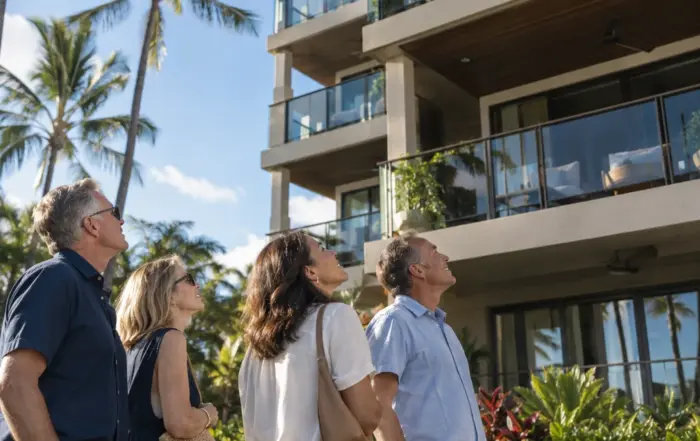
For homeowners, the practical meaning is simple: the furnishing schedule should begin before permit approval, not after it. Once plans are approved, the project may move quickly through framing, electrical, drywall, flooring, cabinetry, and final inspections. If furniture is ordered only after construction is complete, the home may sit empty for weeks or months while pieces are produced and shipped.
The 44 days also should not be treated as a guaranteed timeline for every property. The expedited recovery process applies to qualifying wildfire-recovery work, while standard permits and more complex projects may follow different timelines. A 2026 report from the University of Hawai‘i Economic Research Organization found that single-family permits issued in Maui County during 2025 had a median processing time of 186 days, although that figure was down 33% from the prior year. The distinction is important: a Lahaina recovery permit and a conventional Maui remodel are not necessarily on the same track.
Why the permit milestone should trigger design decisions
Permit approval is a useful point for confirming the home’s final dimensions, room layouts, ceiling heights, doors, windows, electrical locations, and built-ins. Those details affect furniture scale and placement. They also influence whether a sectional will fit through a door, whether a chandelier is centered over the dining table, and whether bedside tables align with outlets and reading lights.
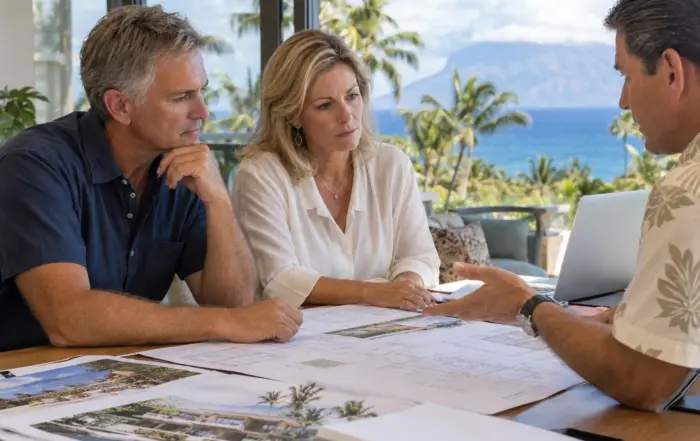
At IDS Maui, room-by-room composition sheets and 3D renderings help homeowners review the plan remotely. This is particularly valuable for owners who live off-island and need purchasing, receiving, freight coordination, claims, and installation handled while they are away.
When Should You Start Furnishing a Lahaina or West Maui Rebuild?
The best time to begin is when the floor plan and major construction decisions are sufficiently stable—often during design development, well before drywall. Waiting until the final inspection compresses every remaining decision into the same short window: furniture, art, rugs, lamps, accessories, window treatments, outdoor pieces, and delivery coordination.
What should be selected before drywall?
Some choices are difficult or expensive to change later. Coordinate these items with the architect, builder, and interior designer:
- Electrical locations for sconces, pendants, ceiling fixtures, fans, and outlets.
- Lighting controls, dimmers, smart-home equipment, and bedside charging locations.
- Cabinetry, built-ins, appliance panels, and storage for owner belongings.
- Plumbing fixtures, mirrors, towel bars, and bathroom hardware.
- Ceiling fans and fixture clearances in vaulted or open living areas.
- Window dimensions, shades, drapery locations, and privacy needs.
- Lanai flooring, outdoor lighting, dining areas, and weather-resistant furniture.
A designer can also identify conflicts before they reach the job site. For example, a large pendant may compete with a ceiling fan, a sofa may block a lanai door, or a console may be too deep for a circulation path. Solving those issues on paper is easier than correcting them after installation.
How long does it take to furnish a Maui home?
For many Maui projects, allow approximately 8 to 12 weeks for production plus freight, depending on the items selected. Custom upholstery, imported materials, backordered components, and consolidated ocean freight can extend the schedule. Orders placed by August are typically the strongest opportunity for a home to be ready for a holiday or January arrival, although exact timing depends on vendor availability and construction completion.
That makes the 44-day permit approval a planning signal. Once the project is moving, begin the furnishing process immediately so production and freight run alongside construction rather than after it.
How Should Furnishing Choices Respond to Maui’s Microclimates?
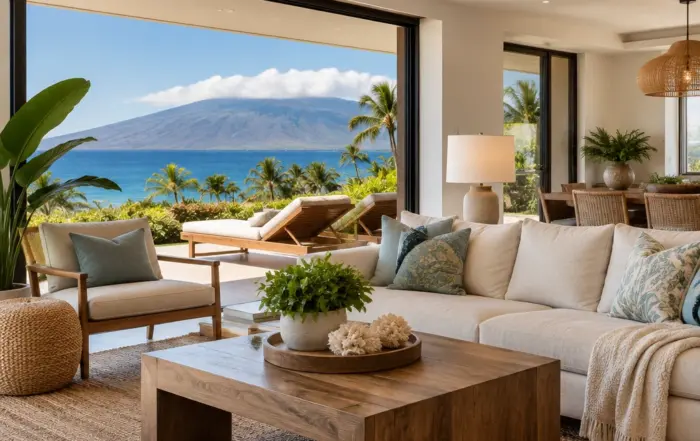
A rebuild is not furnished for a generic “Hawaii” climate. Material choices should reflect the property’s exact location. South Maui communities such as Wailea, Makena, and Kihei receive intense sun, heat, and salt air. West Maui locations including Kaanapali, Kapalua, Napili, and Lahaina also require attention to UV exposure, salt, and outdoor corrosion. Upcountry areas such as Makawao, Kula, Pukalani, and Haiku are cooler and damper, increasing the risk of mildew and encouraging warmer palettes, layered textiles, and fireplace-friendly arrangements. Paia, Spreckelsville, and Hana are windward and humid, with greater concerns about rust and moisture.
What furniture holds up to salt air and humidity?
Prioritize performance fabrics, properly finished wood, corrosion-resistant hardware, and outdoor materials rated for the environment. For lanais, marine-grade or appropriately protected finishes are often a better choice than indoor pieces moved outside temporarily. Outdoor furniture should also be secured or stored during severe weather and hurricane season.
Inside the home, breathable construction and easy-care upholstery can improve long-term performance. Leather may work well in some Maui rooms, but it should be selected with attention to direct sun, ventilation, and maintenance. Rattan can be beautiful and lightweight, yet natural fibers need careful placement in damp areas. Jute and sisal rugs may be vulnerable to mildew in humid homes, while performance, indoor/outdoor, or properly maintained wool rugs may be more suitable depending on the room.
How do you furnish different parts of the house?
Open great rooms need rugs sized to anchor the furniture grouping rather than float beneath a coffee table. Bedrooms may benefit from softer wool rugs and warmer textures, especially Upcountry. In leeward homes, window treatments, fans, layered lighting, and cross-breeze strategies can make rooms more comfortable without relying entirely on air conditioning.
A practical furnishing plan should also include:
- An owner’s closet or locked storage area for personal belongings.
- Durable entry storage for sandy shoes, beach gear, and wet towels.
- Easy-clean upholstery in high-use living spaces.
- Ventilated storage in humid rooms.
- Appropriate lamps and task lighting for evenings and power interruptions.
- Lanai storage for cushions and accessories during storms.
How Do Maui Furniture Lead Times Affect the Rebuild Schedule?
A permit approval starts a construction phase, but it does not start immediate furniture availability. Each piece follows its own chain: specification, approval, purchase order, production, inspection, packing, freight, customs or carrier handling, receiving, and installation. A single delayed item can also affect the final room composition if it is a sofa, dining table, bed, or major light fixture.
For that reason, IDS Maui uses a layered purchasing strategy. Core pieces are ordered first, followed by secondary furnishings and accessories. When appropriate, quick-ship products can fill a timing gap. “Quick ship” does not always mean immediate delivery to Maui; it generally means the item is available for faster production or shipment than a fully custom piece. Freight and island receiving still need to be included in the schedule.
Can I furnish my Maui condo from the mainland?
Yes, but mainland purchasing is not the same as mainland delivery. The plan must account for Hawaii freight costs, packaging, damage claims, warehouse receiving, delivery access, elevator reservations, and installation. Oversized pieces may require special handling, while some vendors do not ship directly to Hawaii.
A designer managing the project can consolidate orders, inspect deliveries, document damage, coordinate freight claims, and schedule installation after the home is ready. That is especially important for remote and seasonal owners who may not be present when containers or trucks arrive.
What does the 44-day figure change for budgeting?
It may reduce uncertainty around when construction can advance, but it does not eliminate the need for a furnishing budget. Include furniture, lighting, rugs, window treatments, outdoor pieces, artwork, accessories, freight, receiving, installation, taxes, and contingency. Freight to Hawaii varies by size, weight, origin, carrier, and whether orders are consolidated, so it should be estimated before purchases are finalized.
The most efficient approach is to divide the budget into “must be ready at move-in,” “needed shortly afterward,” and “can be added over time.” That protects the essentials while leaving room for custom pieces that may have longer production schedules.
How Can a Designer Coordinate Furnishing With the Builder?
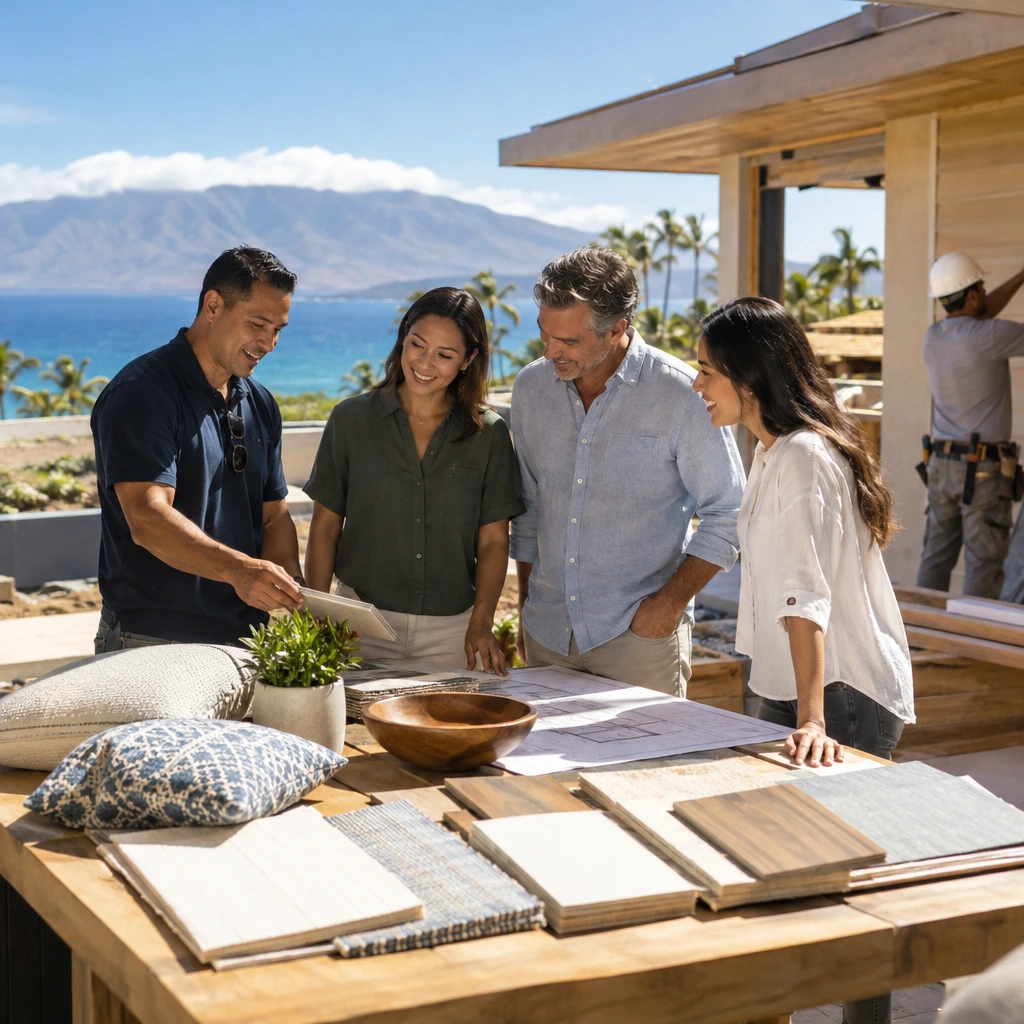
A rebuild works best when the designer, architect, contractor, and homeowner share a coordinated schedule. The designer does not replace the contractor or make permit decisions. Instead, the designer translates the approved architectural plan into a functional interior and flags decisions that affect construction.
Regular coordination can cover furniture dimensions, lighting rough-ins, appliance specifications, cabinetry, finish samples, door swings, ceiling heights, delivery paths, and final measurements. For Lahaina home furnishings, the team should also verify whether plans include an ohana unit, flexible guest accommodations, accessible circulation, or spaces that need to serve multiple generations.
As construction nears completion, final measurements should confirm that the approved furniture still fits the built conditions. This step matters because field conditions can vary from early drawings. A professional installation plan then assigns delivery zones, protects finished surfaces, and sequences large pieces so the home is not damaged during move-in.
For homeowners rebuilding after the Lahaina fire, the process deserves particular care and sensitivity. A faster permit pathway is meaningful progress, but each property represents a family’s history, decisions, and recovery. Furnishing should support the way the household intends to live now—not simply recreate a room-by-room inventory from before.
Conclusion: What Should You Do After a 44-Day Permit Approval?
The 44-day average for expedited wildfire-recovery permits is a significant scheduling development for Maui homeowners. It means a qualifying rebuild may move from approved plans to active construction sooner than many owners expected. The furnishing response should be equally deliberate: bring the designer into the project early, finalize room dimensions and lighting before drywall, order long-lead pieces while construction proceeds, and plan freight and installation before the final inspection.
For a durable Maui home, location matters. Wailea and Kaanapali call for sun- and salt-aware materials; Upcountry homes need moisture-conscious choices; North Shore and Hana projects require careful attention to humidity and rust. IDS Maui can coordinate design, purchasing, receiving, freight claims, and installation for owners living on or off the island.
How much does an interior designer cost on Maui?
Fees vary by project scope, home size, furnishings, and level of coordination. A consultation can clarify the appropriate service level.
When should I hire a designer for a new build?
Ideally before electrical, drywall, cabinetry, and lighting decisions are finalized.
Do you work with my contractor or architect?
Yes. IDS Maui coordinates with the client’s architect and builder to align interiors, furnishings, deliveries, and installation.
Call IDS Maui at 808-891-8800 or email to discuss furnishing your Lahaina, West Maui, Upcountry, or other Maui rebuild.

Meet Valorie, founder of IDS Maui, who has spent 23 years bringing colorful fabrics, clever space planning, and new technology into homes and workplaces across the Hawaiian Islands, so your project will embody the Hawaiian style.
Need Design Help With Your Maui Home?
Ask us anything — furniture, design, or where to start.