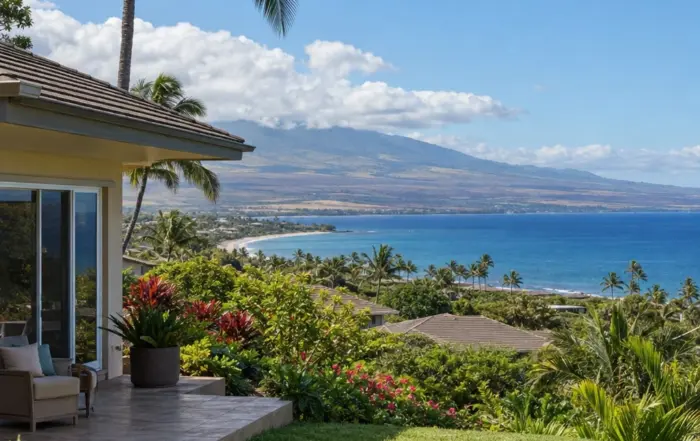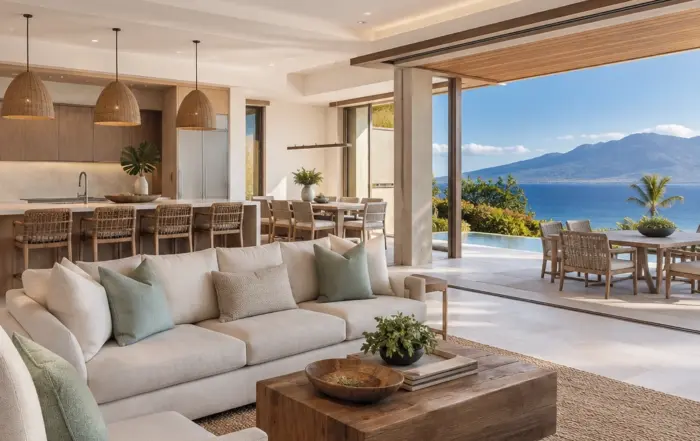
To prepare a Maui home for months away, arrange regular local checks, manage indoor humidity, secure water and electrical systems, and store lanai furnishings before you leave. The right plan depends on where you live: a Kihei home faces intense sun and salt air, while an Upcountry house in Makawao or Kula may be cooler and damper. A property manager or trusted local contact can catch problems early, but a detailed checklist makes their visits more useful. Below, you’ll find practical steps for protecting your home, its furnishings, and your peace of mind—from South Maui to Upcountry. If you’re furnishing or refreshing a seasonal home, planning ahead also helps account for island freight and installation timelines.
How do you prepare a Maui home for months away?
Start planning several weeks before departure, then walk the property with your manager or local contact. Confirm who can enter, how to reach you, where the water shutoff and electrical panel are, and what to do if a leak, storm, or alarm occurs. Leave written instructions and a spare key in a secure, agreed-upon location.
Before you go, test smoke and carbon monoxide alarms, security systems, internet-connected cameras, and any leak detectors. Replace batteries as needed and make sure alerts go to someone who can respond on island. Give your property manager contact details for your plumber, electrician, HVAC technician, and pest-control provider.
Build a home-check schedule
Ask a local person to visit at least weekly during your absence, and more often if the home has a history of leaks, pest activity, or humidity problems. After heavy rain or a significant storm, request an additional exterior and interior check. A visit should involve more than a quick look inside: check under sinks, around toilets and water heaters, inside closets, and near windows and sliding doors.
- Record the date of each visit and note any unusual odors, stains, pests, or alarm alerts.
- Photograph key rooms and exterior areas before leaving so changes are easier to spot.
- Ask the visitor to report concerns promptly rather than waiting for the next scheduled check.
This simple routine is the foundation of protecting a Maui home while away. Your property manager can tailor it to the house, its systems, and its location.
How can you prevent Maui home humidity and mildew while away?
Humidity management matters across Maui, but the risks vary by microclimate. In windward areas such as Haiku and Hana, damp air and driving rain can make mildew and rust more likely. Upcountry homes in Makawao, Kula, and Pukalani can also be cool and damp, especially in closed rooms and closets. South Maui locations such as Kihei, Wailea, and Makena are sunnier and hotter, but closed-up interiors can still become humid.
Use a digital hygrometer in a few representative rooms to track indoor relative humidity. As a practical target, aim to keep it below 60%; persistent readings above that level call for investigation. Ask your HVAC professional what settings suit your system, and avoid simply switching off cooling or ventilation for months without a plan. If using a dehumidifier, confirm that it is designed for unattended operation, has a safe drainage arrangement, and is checked regularly. A machine with a full bucket is no longer removing moisture.
Reduce moisture and give furnishings room to breathe
Fix active leaks before departure. Clean and dry showers, sinks, and kitchen surfaces, and make sure bathroom exhaust fans work. Leave interior doors and closet doors slightly open where practical so air can circulate. Avoid packing closets tightly; allow space around clothing and furniture, and remove damp towels, laundry, and beach gear. Clean refrigerator spills, empty trash, and remove perishable food.
Use care with moisture absorbers: they may help in small enclosed spaces, but they are not a substitute for fixing a leak or controlling whole-home humidity. Check them during scheduled visits. If you discover a musty smell, water mark, or visible growth, have the cause assessed and corrected rather than covering it up.
How should you protect a Maui home from salt air, storms, and pests?
Leeward homes in Kihei, Wailea, Makena, and West Maui contend with strong UV and salt air. North Shore and Hana properties are more exposed to wind, rain, and rust. Before leaving, rinse salt from outdoor furniture and metal fittings, then dry them. Ask your property manager to look for corrosion on lanai hardware, window tracks, outdoor lights, and exposed fasteners. Choose durable, outdoor-appropriate materials when replacing items; marine-grade finishes can be useful outdoors, but still need routine care.
Hurricane season runs from June through November in the Central Pacific, so store or secure loose lanai furniture, umbrellas, cushions, and décor before a storm. Don’t rely on a forecast close to departure: arrange a clear plan with your manager for bringing items inside or fastening them safely. Check that drains and gutters are clear, and confirm shutters or other protective features are accessible and operable.
Make pest prevention part of the handoff
Termites and other pests can cause damage while a home sits empty. Remove cardboard, paper bags, and unnecessary stored materials; keep plants and mulch from touching the building; and have a licensed pest professional inspect or treat the property if needed. Ask the manager to look for droppings, discarded wings, mud tubes, or fresh wood damage. Do not seal active termite evidence or apply a treatment without professional guidance.
For plumbing, ask a local plumber or property manager whether shutting off the main water supply is appropriate for your specific home. Some systems, appliances, irrigation, or fire-safety equipment may require water. If water remains on, consider monitored leak sensors and have someone check supply lines and visible connections. Avoid changing breakers or disconnecting essential systems without understanding what they serve.
What should your Maui property manager’s home checklist include?
A useful Maui property manager home checklist spells out what to inspect, how often, and who to call. Share it before departure and keep a copy in a secure place at the home. Include the owner’s contact information, emergency contacts, access instructions, equipment manuals, and any restrictions on turning systems off or adjusting them.
Ask the manager to check for water intrusion, unusual odors, mold or mildew, pest activity, power or alarm issues, and storm damage. They should also verify that doors and windows are locked, the lanai is secure, and the thermostat and dehumidification equipment are operating as agreed. After each visit, request a short update with photos when something changes.
Prepare the home room by room
- Kitchen: Remove perishables, clean the refrigerator, empty bins, and check beneath the sink and around the dishwasher.
- Bathrooms: Look for drips, damp grout, slow drains, and moisture around toilets and vanities.
- Bedrooms and closets: Leave breathing room around furnishings, remove damp textiles, and check for musty odors.
- Living areas: Close and lock windows, protect valuables, and confirm alarms and leak sensors are online.
- Lanai and exterior: Secure loose items, clear drains, and inspect exposed metal for corrosion or storm damage.
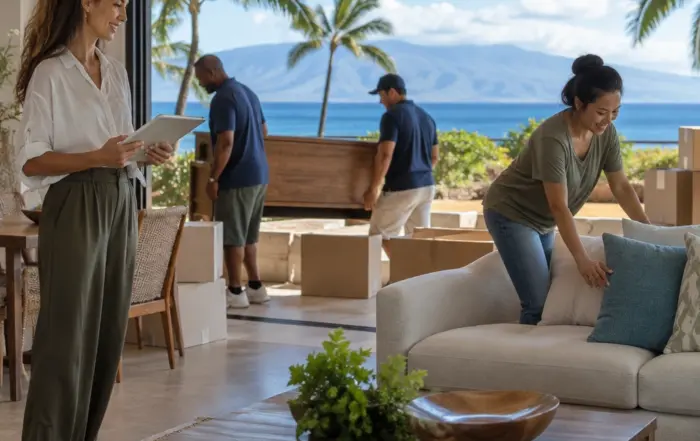
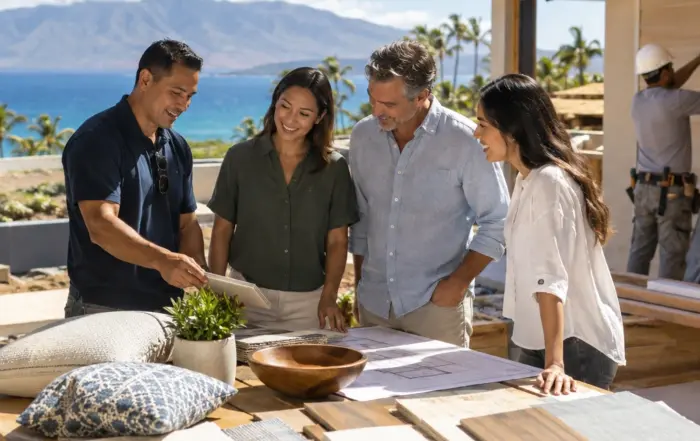
Owners who live off-island can also coordinate furnishing and interior updates remotely. IDS Maui provides room-by-room composition sheets and 3D renderings for approval by email, and can coordinate purchasing, receiving, freight claims, and installation with property managers. Allow roughly 8–12 weeks for production plus freight; orders placed by August are typically timed for a holiday or January arrival. That lead time can help you return to a home that is ready to use rather than waiting on deliveries.
What should you do before returning to your Maui home?
Schedule a final inspection before your arrival, especially if the home has been closed for several months. Ask your local contact to check for storm damage, leaks, pests, unusual odors, and any alarm or HVAC issues. Have them send photos and flag anything that needs a licensed professional before you arrive. If the home has been humid, arrange appropriate cleaning and drying rather than turning on the air conditioning and assuming the problem will resolve itself.
When you return, inspect the property before unpacking. Run taps and flush toilets while checking for leaks, test appliances and alarms, and look closely at window tracks, closets, upholstery, and stored textiles. If a room smells musty or you find visible growth, identify and address the moisture source first. For a seasonal home, prevention is easier when it is built into the furnishings and maintenance plan: materials suited to the local climate, space for airflow, and a reliable person checking the house.
Frequently asked questions about leaving a Maui home
How often should someone check my Maui home while I’m away?
Arrange at least one visit a week as a practical baseline, with additional checks after heavy rain or a major storm. Increase the frequency if your property has known moisture, pest, or plumbing issues.
Should I turn off the water before leaving?
Not automatically. Ask a local plumber or property manager whether shutting off the main supply is safe for your home’s plumbing, irrigation, appliances, and other equipment. If water stays on, consider leak sensors and regular inspections.
How far ahead should I plan furnishing updates?
Allow about 8–12 weeks for production and freight, with extra time for installation or delays. For a holiday or January arrival, placing orders by August is typically a helpful target.
Need help preparing a Maui home for an extended absence?
A well-prepared home starts with a plan that fits its location, systems, and furnishings. Whether your property is a sunny Kihei condo or a cooler Upcountry house, a local checklist and dependable on-island contact can reduce the risk of discovering problems only after you return. IDS Maui can also coordinate remote interior design, purchasing, receiving, and installation while you’re away.
Valorie Spence, ASID, owner of IDS Maui, has been designing Hawaii homes since 1999. To discuss preparing or furnishing your Maui home, call 808-891-8800 or email IDS Maui.

Meet Valorie, founder of IDS Maui, who has spent 23 years bringing colorful fabrics, clever space planning, and new technology into homes and workplaces across the Hawaiian Islands, so your project will embody the Hawaiian style.
Need Design Help With Your Maui Home?
Ask us anything — furniture, design, or where to start.